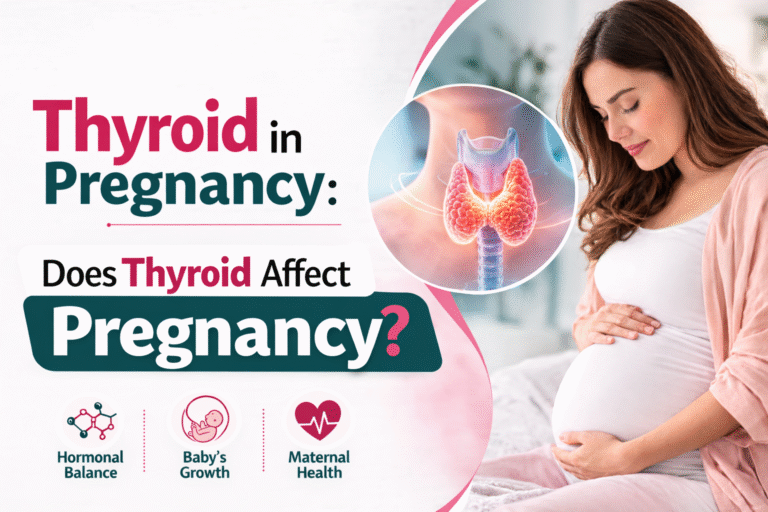
Thyroid in Pregnancy:
Does Thyroid Affect Pregnancy?
Thyroid in Pregnancy: Does Thyroid Affect Pregnancy?
Pregnancy is a special and sensitive phase in a woman’s life, and maintaining good health during this time is essential for both the mother and the baby. One important factor that can affect pregnancy is the thyroid gland. Many women may not realize that thyroid disorders can influence fertility, pregnancy health, and the baby’s development.
Understanding how thyroid conditions affect pregnancy can help women take the right steps to ensure a healthy pregnancy journey.
What Is the Thyroid Gland?
The thyroid gland is a small butterfly-shaped gland located in the front of the neck. It produces hormones that regulate many important body functions, including:
Metabolism
Heart rate
Body temperature
Energy levels
Hormonal balance
During pregnancy, the body requires more thyroid hormones to support both the mother and the developing baby.
Why Is Thyroid Important During Pregnancy?
Thyroid hormones play a crucial role in the baby’s brain and nervous system development, especially during the first trimester when the baby relies completely on the mother’s thyroid hormones.
If thyroid hormone levels are not balanced, it may lead to complications such as:
Difficulty conceiving
Miscarriage
Premature birth
Low birth weight
Developmental issues in the baby
That is why thyroid screening and monitoring during pregnancy are very important.
Types of Thyroid Disorders in Pregnancy
There are two common thyroid conditions that may affect pregnancy.
1. Hypothyroidism (Underactive Thyroid)
Hypothyroidism occurs when the thyroid gland does not produce enough hormones.
Common Symptoms
Fatigue and weakness
Weight gain
Dry skin
Constipation
Depression
Sensitivity to cold
Risks During Pregnancy
Untreated hypothyroidism can lead to:
Miscarriage
Preeclampsia (high blood pressure in pregnancy)
Anemia
Low birth weight baby
Delayed brain development in the baby
However, with proper medication and monitoring, most women with hypothyroidism can have a healthy pregnancy.
2. Hyperthyroidism (Overactive Thyroid)
Hyperthyroidism occurs when the thyroid gland produces too much hormone.
Symptoms
Rapid heartbeat
Weight loss
Anxiety or irritability
Excessive sweating
Tremors
Difficulty sleeping
Pregnancy Risks
Hyperthyroidism during pregnancy may cause:
Preterm birth
Pregnancy-induced hypertension
Fetal growth problems
Heart complications in the mother
Early diagnosis and treatment can help manage these risks effectively.
How Thyroid Disorders Affect Fertility
Thyroid imbalance can also affect a woman’s ability to conceive.
Possible effects include:
Irregular menstrual cycles
Ovulation problems
Hormonal imbalance
Increased risk of miscarriage
Many women who face difficulty getting pregnant may have an undiagnosed thyroid disorder.
With proper treatment, fertility can often improve significantly.
Thyroid Testing During Pregnancy
Doctors usually recommend thyroid testing in the following situations:
History of thyroid disorder
Family history of thyroid disease
Difficulty conceiving
Symptoms of thyroid imbalance
Previous miscarriages
The most common test is the TSH (Thyroid Stimulating Hormone) blood test, which helps determine whether thyroid hormone levels are normal.
Managing Thyroid During Pregnancy
Proper management of thyroid conditions during pregnancy helps ensure the safety of both mother and baby.
Important steps include:
- Regular thyroid testing
- Taking prescribed medications on time
- Maintaining a healthy diet
- Regular prenatal checkups
- Monitoring hormone levels throughout pregnancy
Doctors may adjust medication doses during pregnancy because hormone needs can change.
Diet Tips for Thyroid Health During Pregnancy
Nutrition plays an important role in thyroid health.
Women should include:
Iodine-rich foods (dairy, eggs, iodized salt)
Iron-rich foods (spinach, lentils, beans)
Selenium-rich foods (nuts and seeds)
Protein-rich foods (milk, eggs, pulses)
Avoid excessive consumption of processed foods and maintain a balanced diet.