
Hysteroscopy: Signs You Shouldn't Ignore
Hysteroscopy: Signs You Shouldn't Ignore
Many women experience heavy periods, irregular bleeding, or fertility concerns at some point in their lives. While these symptoms are common, they should never be ignored.
In some cases, they may indicate an underlying uterine condition such as polyps, fibroids, adhesions, or abnormalities inside the uterus. A hysteroscopy is a safe and minimally invasive procedure that helps doctors diagnose and treat these conditions effectively.
Understanding when a hysteroscopy may be needed can help you seek timely care and improve your reproductive health.
What Is a Hysteroscopy?
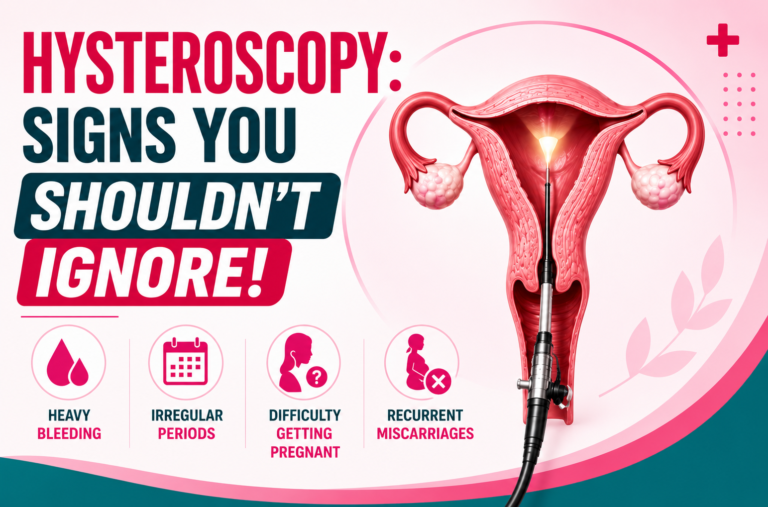
A hysteroscopy is a medical procedure that allows a gynecologist to examine the inside of the uterus using a thin, lighted instrument called a hysteroscope.
The hysteroscope is gently inserted through the vagina and cervix into the uterus, eliminating the need for external incisions.
This procedure can be used for both:
- Diagnostic purposes – to identify the cause of symptoms
- Operative purposes – to treat certain uterine conditions during the same procedure
Signs You Shouldn't Ignore
Your doctor may recommend a hysteroscopy if you experience any of the following symptoms:
Heavy or Prolonged Bleeding
Periods that are unusually heavy or last longer than seven days may require further evaluation.
Irregular Periods
Frequent changes in your menstrual cycle, spotting, or unpredictable bleeding patterns can signal an underlying issue.
Bleeding Between Periods
Unexpected bleeding outside your normal menstrual cycle should always be assessed by a healthcare professional.
Difficulty Getting Pregnant
Hysteroscopy can help identify uterine abnormalities that may affect fertility or implantation.
Recurrent Miscarriages
Women with repeated pregnancy losses may benefit from a hysteroscopy to detect conditions such as uterine septum, adhesions, or polyps.
Why Is Hysteroscopy Performed?
A hysteroscopy helps diagnose and treat several conditions, including:
- Uterine fibroids
- Endometrial polyps
- Scar tissue inside the uterus
- Congenital uterine abnormalities
- Abnormal uterine bleeding
- Retained pregnancy tissue
- Causes of infertility
Types of Hysteroscopy
Diagnostic Hysteroscopy
This procedure is used to examine the uterus and identify the cause of symptoms.
Operative Hysteroscopy
During the procedure, your doctor can remove polyps, fibroids, scar tissue, or correct certain uterine abnormalities
What Happens During a Hysteroscopy?
A hysteroscopy is usually performed as an outpatient procedure.
Here’s what to expect:
- You may receive local or general anesthesia, depending on the procedure.
- The hysteroscope is inserted through the vagina and cervix.
- Saline solution is used to gently expand the uterus for a clear view.
- The doctor examines the uterine cavity and performs any necessary treatment.
The procedure typically takes between 10 and 30 minutes, depending on its purpose.
Is Hysteroscopy Painful?
Most women experience mild cramping or discomfort during and after the procedure.
Recovery is generally quick, and many patients can return to normal activities within a day or two.
Your doctor will provide specific instructions based on your condition and treatment.
Benefits of Hysteroscopy
- Minimally invasive procedure
- No external cuts or stitches
- Quick recovery time
- Accurate diagnosis
- Simultaneous treatment of certain conditions
- Improved fertility outcomes in selected cases