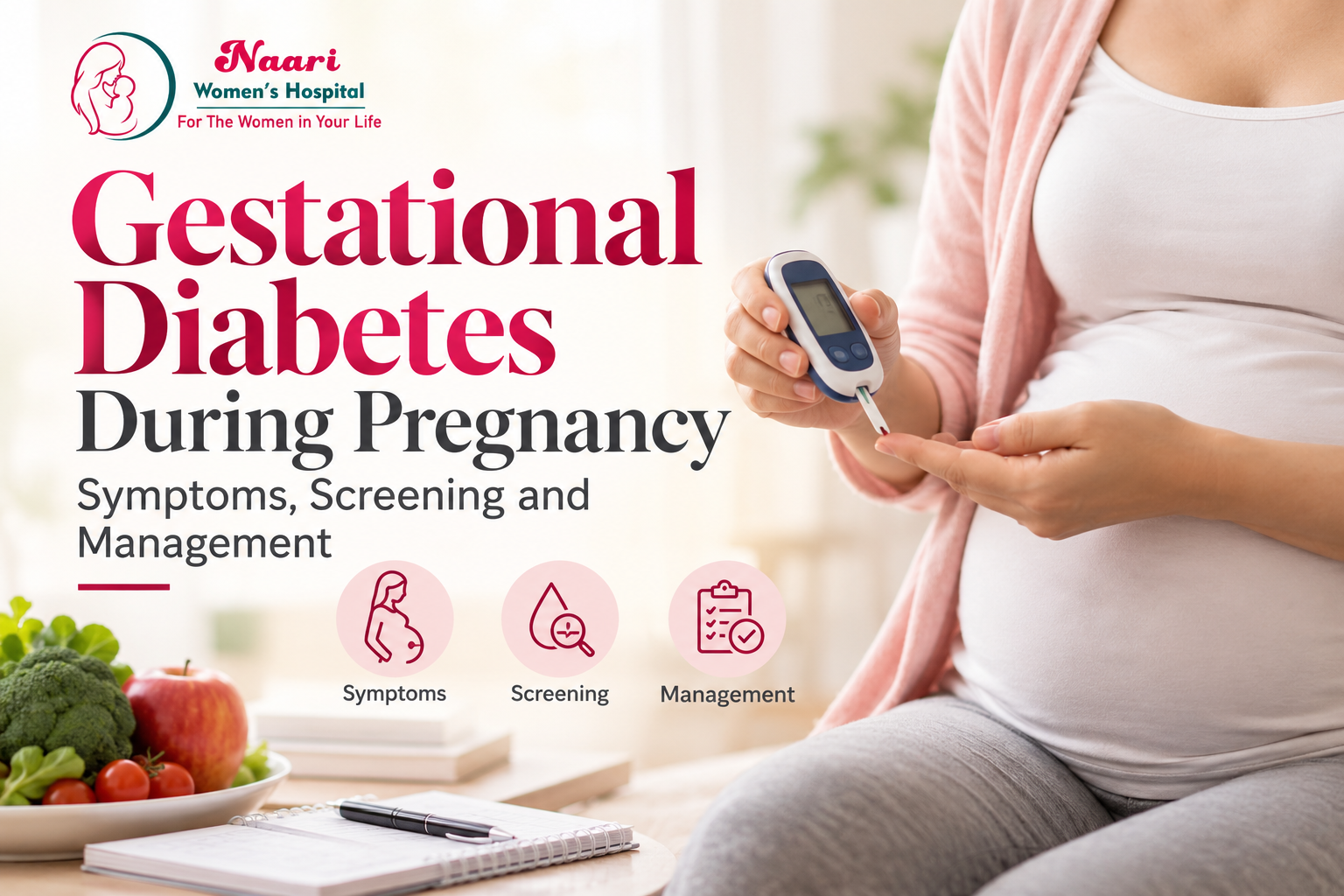
Gestational Diabetes During Pregnancy: Symptoms, Screening and Management
What is gestational diabetes?
Hormones produced by the placenta can make the body less responsive to insulin. This is called insulin resistance. The pancreas usually compensates by producing more insulin. If it cannot meet the increased demand, blood glucose levels may rise. Family history of diabetes, previous gestational diabetes, PCOS, higher pre-pregnancy weight and a previous larger baby can increase risk, but gestational diabetes can also occur without recognised risk factors.
Are there symptoms?
Many women have no noticeable symptoms. Increased thirst, frequent urination, tiredness or blurred vision may occur, but these symptoms can also have other causes. Symptoms alone cannot diagnose gestational diabetes; a blood test is needed.
When is screening done?
Screening practices vary by clinical protocol and medical history. Testing is commonly offered between 24 and 28 weeks of pregnancy. Women with certain risk factors may be tested earlier, with repeat testing later if appropriate. Your obstetrician will advise the test and timing suitable for you. Do not skip recommended screening simply because you feel well.
How is gestational diabetes managed?
Management is individualised and may include:
- Blood glucose monitoring at the times advised by your clinician, with readings recorded for review.
- Balanced meal planning with appropriate portions of carbohydrates, protein, fibre and healthy fats. A dietitian or clinician can help; avoid restrictive diets without advice.
- Safe physical activity, such as walking, if there is no medical reason to avoid it. Ask your care team what is suitable.
- Medication when needed. If glucose remains above the target range, your clinician may recommend insulin or another locally accepted treatment based on your circumstances.
- Closer antenatal monitoring of glucose, maternal health and fetal growth, as clinically indicated.
Why does blood sugar control matter?
Persistently high glucose can increase the chance of a larger-than-expected baby, birth complications, high blood pressure disorders and additional newborn monitoring. Babies may also have low blood glucose shortly after birth. These outcomes are not inevitable. Monitoring and treatment are intended to reduce risk.
When Should You Go to the Hospital Immediately?
Seek urgent maternity assessment if:
- Your fluid is green or brown.
- The fluid smells unpleasant or unusual.
- You have significant vaginal bleeding.
- Your baby is moving less than usual.
- You have severe abdominal or back pain.
- You develop contractions.
- You have a fever or feel unwell.
- You are less than 37 weeks pregnant and think your waters have broken.
If you have a strong urge to push and feel your baby may be coming immediately, seek emergency assistance.
What If Your Waters Break Before 37 Weeks?
When the waters break before 37 weeks, it may be preterm prelabor rupture of membranes (PPROM).
This situation needs prompt medical assessment because premature rupture of membranes is associated with an increased risk of infection and premature birth. Hospital assessment may include monitoring the baby’s heart rate, checking for infection, and evaluating whether the membranes have actually ruptured.
Treatment and monitoring depend on:
- How many weeks pregnant you are
- Your baby’s condition
- Whether labor has started
- Signs of infection
- Other pregnancy-related factors
What happens after delivery?
Blood glucose often improves after the placenta is delivered, but follow-up remains important. Your clinician will advise when to have postpartum diabetes testing and how often to repeat screening. A history of gestational diabetes is associated with a higher future risk of type 2 diabetes, so ongoing healthy habits and regular health checks matter.
When should you contact your healthcare team?
Discuss glucose readings outside the range set by your clinician, persistent vomiting or feeling unwell. Seek urgent care for severe symptoms such as confusion, fainting, difficulty breathing or other sudden serious changes.
Frequently asked questions
Can gestational diabetes happen without symptoms?
Yes. Many women have no noticeable symptoms, which is why recommended screening is important.
Will I definitely need insulin?
No. Some women manage glucose with meal planning and activity; others need medication. The plan depends on readings and clinical assessment.
Does it go away after birth?
Blood glucose often returns towards normal after delivery, but postpartum testing and longer-term follow-up are recommended.
Can it always be prevented?
No. Healthy habits may support overall health, but gestational diabetes can occur even without obvious risk factors.
Medical note
This article is for general education and does not replace an individual consultation, diagnosis or treatment plan. Screening criteria and treatment targets vary by clinician and local protocol. Consult your obstetrician for advice specific to your pregnancy.
References: ACOG – Gestational Diabetes: https://www.acog.org/womens-health/faqs/gestational-diabetes | ACOG Practice Bulletin: https://www.acog.org/clinical/clinical-guidance/practice-bulletin/articles/2018/02/gestational-diabetes-mellitus
Why Choose Naari Women's Hospital?
At Naari Women’s Hospital, our maternity team provides comprehensive care during labor and delivery, including assessment of labor symptoms, fetal monitoring, management of ruptured membranes, and personalized guidance for mothers and babies.
Our experienced obstetricians are equipped to assess concerns promptly and help you understand the safest next steps for your pregnancy.