
Pelvic Pain Explained: Cyst, Fibroid
& Common Causes
Pelvic Pain Explained:
Pelvic pain is a common issue faced by many women at different stages of life. It can range from mild discomfort to severe pain that affects daily activities.
Understanding the causes of pelvic pain, especially conditions like ovarian cysts and uterine fibroids, is essential for proper treatment and prevention.
What is Pelvic Pain?
Pelvic pain refers to discomfort in the lower abdomen area (below the belly button). It may be:
- Sharp or dull
- Constant or intermittent
- Mild or severe
It can be related to reproductive organs, urinary system, or digestive system.
Common Causes of Pelvic Pain
1. Ovarian Cyst
An ovarian cyst is a fluid-filled sac that forms on or inside the ovary.
Symptoms:
- Lower abdominal pain
- Bloating
- Irregular periods
- Pain during intercourse
Most cysts are harmless and go away on their own, but some may require treatment.
2. Uterine Fibroids
Fibroids are non-cancerous growths in the uterus.
Symptoms:
- Heavy menstrual bleeding
- Pelvic pressure or pain
- Frequent urination
- Back pain
Fibroids can vary in size and may need medical treatment if symptoms are severe.
3. Menstrual Cramps
Pain during periods (dysmenorrhea) is one of the most common causes.
- Usually occurs before or during periods
- Can range from mild to severe
4. Endometriosis
A condition where tissue similar to the uterine lining grows outside the uterus.
Symptoms:
- Severe pelvic pain
- Pain during periods
- Infertility issues
5. Urinary Tract Infection (UTI)
Infections in the urinary system can cause pelvic discomfort.
Symptoms:
- Burning while urination
- Frequent urge to urinate
- Lower abdominal pain
6. Digestive Issues
Problems like constipation or irritable bowel syndrome (IBS) can also cause pelvic pain.
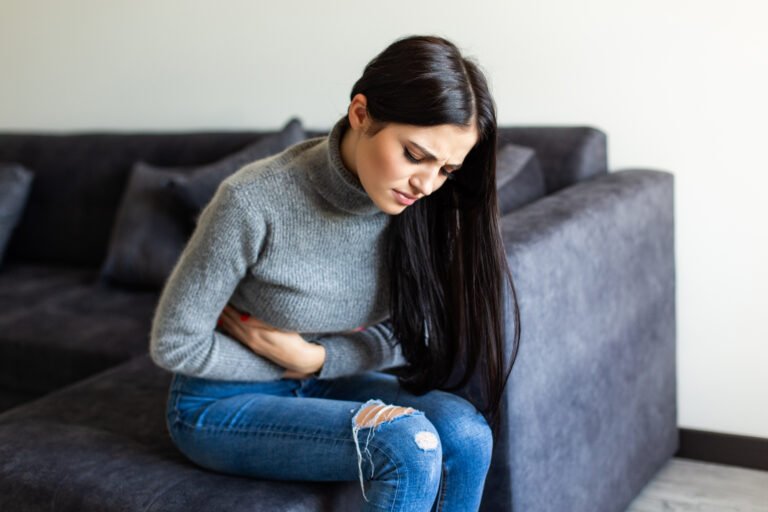
When Should You Worry About Pelvic Pain?
Seek medical attention if you experience:
- Severe or sudden pain
- Pain with fever
- Unusual vaginal bleeding
- Pain during pregnancy
- Persistent pain for many days
Diagnosis of Pelvic Pain
Doctors may use the following methods:
- Physical examination
- Ultrasound
- Blood tests
- MRI or CT scan
Home Remedies & Prevention Tips
- Maintain a healthy diet
- Stay hydrated
- Exercise regularly
- Avoid excessive stress
- Regular health check-ups