
Uterine Fibroids: Symptoms, Causes & Treatment Options
Uterine Fibroids: Signs You Shouldn't Ignore
Heavy periods, pelvic pain, or difficulty getting pregnant are often dismissed as common women’s health issues. However, these symptoms could sometimes indicate uterine fibroids.
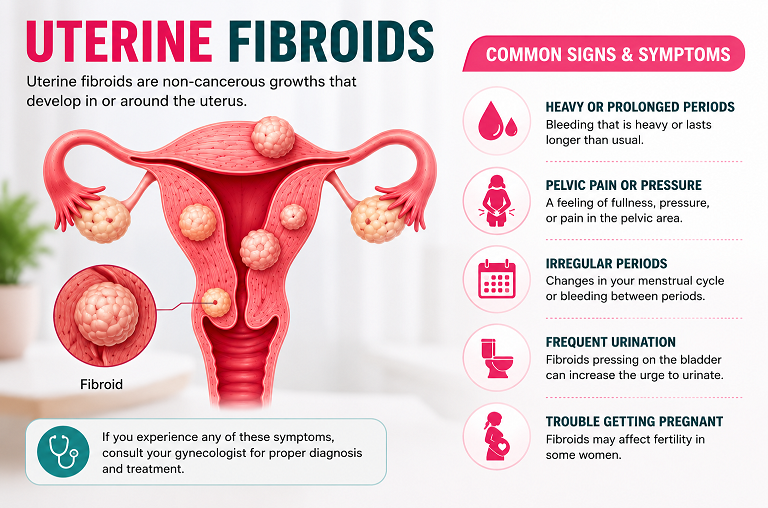
Uterine fibroids are one of the most common non-cancerous growths that develop in or around the uterus. While some women may never experience symptoms, others can face significant discomfort that affects their daily lives.
Recognizing the warning signs early and seeking timely medical advice can help prevent complications and improve your quality of life.
What Are Uterine Fibroids?
Uterine fibroids, also known as leiomyomas or myomas, are non-cancerous growths made of muscle and fibrous tissue that develop in the uterus.
Fibroids can vary in size—from as small as a seed to as large as a melon. A woman may have a single fibroid or multiple fibroids at the same time.
Although fibroids are common during the reproductive years, they are usually benign and do not increase the risk of uterine cancer.
Common Signs and Symptoms of Uterine Fibroids
Not all fibroids cause symptoms. However, depending on their size, number, and location, some women may experience:
Heavy or Prolonged Periods
If your periods are unusually heavy, last longer than seven days, or require frequent pad changes, fibroids could be the cause.
Pelvic Pain or Pressure
Large fibroids may create a feeling of pressure, fullness, or pain in the lower abdomen or pelvis.
Irregular Menstrual Cycles
Changes in your menstrual pattern, including spotting between periods or unpredictable cycles, should not be ignored.
Difficulty Getting Pregnant
In some cases, fibroids can affect fertility by interfering with implantation or altering the shape of the uterus.
Frequent Urination
Fibroids pressing against the bladder can increase the urge to urinate.
Lower Back Pain
Pressure from fibroids may cause discomfort or pain in the lower back.
What Causes Uterine Fibroids?
The exact cause of fibroids is not fully understood, but several factors may increase the risk:
- Hormonal changes, especially estrogen and progesterone
- Family history of fibroids
- Age between 30 and 50 years
- Early onset of menstruation
- Obesity or being overweight
- Vitamin D deficiency
Can Uterine Fibroids Affect Pregnancy?
Many women with fibroids have healthy pregnancies. However, depending on their size and location, fibroids can sometimes contribute to:
- Difficulty conceiving
- Increased risk of miscarriage
- Premature labor
- Breech presentation
- Cesarean delivery
If you are planning a pregnancy or experiencing fertility challenges, consult a gynecologist for a personalized evaluation.
How Are Uterine Fibroids Diagnosed?
Your doctor may recommend:
- Pelvic examination
- Ultrasound scan
- MRI scan
- Hysteroscopy
- Blood tests to check for anemia
Early diagnosis can help determine the best treatment approach.